Every year on Endangered Species Day, we are reminded that conservation is not just about saving individual animals; it is about protecting the ecosystems, landscapes, and biodiversity that shape the places we call home. In California, that responsibility carries special significance. Our state is one of the most biologically diverse regions in the world, home to species and habitats found nowhere else on Earth.
At the heart of many of these conservation successes is the U.S. Endangered Species Act (ESA), one of the strongest wildlife protection laws ever enacted. Passed in 1973, the ESA was created to prevent the extinction of plants and animals threatened by habitat loss, pollution, overdevelopment, and other human-caused pressures. More than 50 years later, the law continues to play a critical role in protecting wildlife and preserving ecosystems across the country.
The ESA works by identifying species that are endangered or threatened and creating legal protections to support their recovery. Not only that, the law is about more than individual species. It recognizes that healthy ecosystems benefit everyone by supporting clean air, clean water, agriculture, recreation, and climate resilience for future generations.
Here in California, the ESA has helped protect some of the nation’s most iconic wildlife, including the California condor, San Joaquin kit fox, Giant garter snake, and Tule elk. Yet many Californians are unfamiliar with another remarkable species that tells an important story about our state’s natural heritage: the blunt-nosed leopard lizard (Gambelia sila).
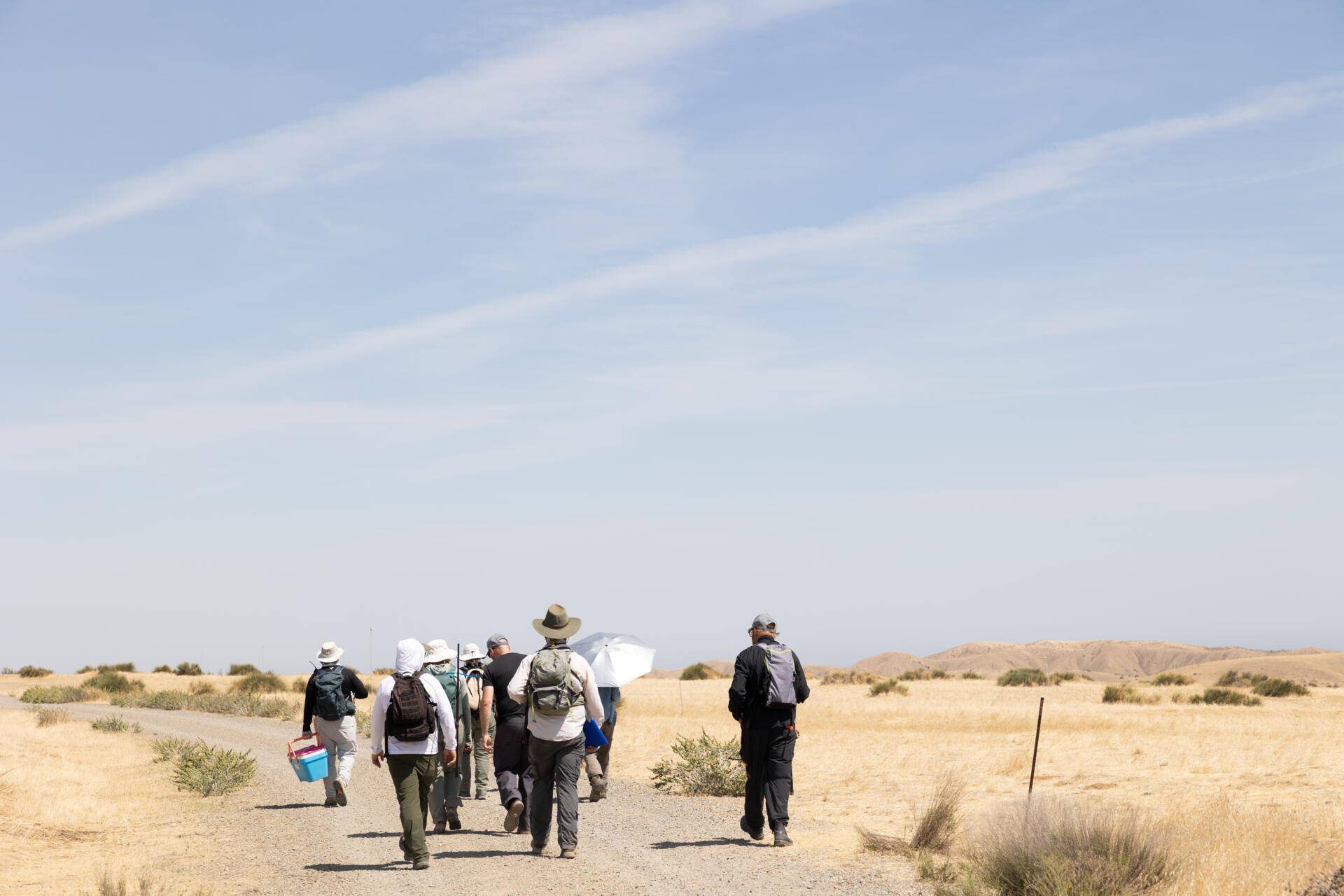
The blunt-nosed leopard lizard is uniquely Californian. Found nowhere else in the world, it lives in the San Joaquin Valley and surrounding foothills, including the Panoche Plateau. First documented in Fresno in 1890, this medium-sized lizard can grow to 12 inches long and is known for its striking markings, speed, and adaptability to arid environments.
More importantly, the blunt-nosed leopard lizard is a flagship species of the San Joaquin Desert, an ecosystem that many people do not even realize exists. When people think of California deserts, they often picture Joshua trees and the Mojave. But the San Joaquin Desert is its own unique ecosystem, historically covering large portions of the Central Valley with desert wildflowers, saltbush scrub, and alkali flats. It is one of the most endangered ecosystems in North America.
The blunt-nosed leopard lizard was listed as endangered in the inaugural 1967 list of 75 federally endangered species and was among 34 species classified as “fully protected” by the state of California in the 1960s, making it among the first species recognized under the early foundations of endangered species conservation in the United States. Its listing helped draw attention to the rapid loss of habitat occurring throughout the Central Valley as agriculture, urban growth, and infrastructure expanded across the region.
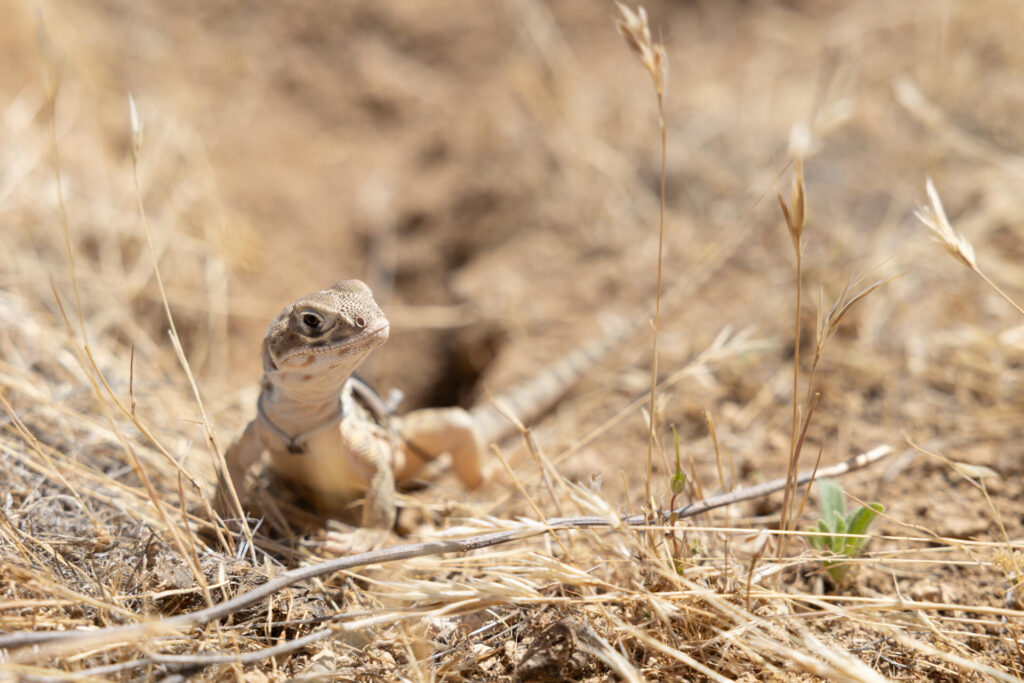
Today, the lizard remains an important indicator of ecosystem health. Because it relies on intact native habitat and healthy prey populations, scientists can learn a great deal about the condition of the broader desert ecosystem by monitoring its populations. When species like the blunt-nosed leopard lizard struggle, it often reflects larger environmental pressures affecting many other plants and animals in the region.
The Endangered Species Act has played a major role in preventing extinction for species like this one. According to the U.S. Fish and Wildlife Service, more than 99% of species listed under the ESA have avoided extinction. While recovery can take decades, the law has proven that conservation efforts work when supported by science, collaboration, and long-term commitment.
Still, the work is far from finished. Many endangered species continue to face challenges from habitat fragmentation, drought, invasive species, climate change, and increasing development pressures. In California’s Central Valley, especially, balancing growth with conservation remains an ongoing challenge.
That is why Endangered Species Day matters. It is an opportunity to recognize not only the species at risk, but also the people, organizations, researchers, tribal communities, landowners, and agencies working every day to protect them. Conservation is rarely the work of one individual or institution. It requires partnerships and shared stewardship.
It is also a reminder that biodiversity is part of California’s identity. Species like the blunt-nosed leopard lizard are not just scientifically important; they are culturally and regionally significant. They tell the story of California’s landscapes, evolution, and ecological uniqueness. Once these species are gone, they cannot be recreated or replaced.
The blunt-nosed leopard lizard may not be as widely recognized as the grizzly bear on California’s flag or the condor soaring over coastal cliffs, but it represents something equally important: the extraordinary and often overlooked biodiversity of the Central Valley and San Joaquin Desert.
As we recognize Endangered Species Day, we are reminded that protecting wildlife is ultimately about protecting places. The Endangered Species Act continues to serve as one of our strongest tools for ensuring that future generations inherit a California that is still rich in native species, functioning ecosystems, and natural wonder.
On this Endangered Species Day, Fresno Chaffee Zoo is more dedicated than ever to our mission of caring for animals, creating connections, building community, and saving wildlife.