
Humans and animals alike depend on seafood for survival. With an ever-growing population of humans, how do we ensure that the ocean provides enough seafood to satisfy human needs while still maintaining wild animal populations? Supporting sustainable seafood harvesting is the answer.
Sustainable fishing practices promote a healthy ocean by using fishing techniques with minimal impact on ocean environments, ultimately helping conserve the species being harvested. Historically, many fish populations were depleted almost entirely to meet the unrelenting demand for seafood. When a population was fished out, a new species would be harvested, leading to unsustainable populations of many commercially fished species. Without sustainable practices in place, fish populations are reduced at an irreparable rate.
Non-sustainable fishing is not limited to just the amount of fish being removed from the ocean, but also the methods and gear used for this fishing. Some non-sustainable fishing methods, like trawling and dredging, cause destruction to sea floor habitats that are critical to reproduction and survival of some species. Fishing methods such as gillnets and longlines frequently kill non-target animals as bycatch, which can affect entire ocean ecosystems. These disturbed ecosystems can have ripple effects with impacts felt far from the ocean.
In some parts of the world, including the United States, the government has enforced regulations on fishing to combat these negative effects. Through intensive research on fish populations and reproduction, we’ve been able to better understand the ecological needs of these species and how to manage them sustainably. These government regulations help conserve fish populations by enforcing limits on catch numbers, fishing areas, and seasonal fishing times.
Modifications to gear to prevent bycatch are required by law in some areas. Some of these modifications include streamers on longlines to deter birds from taking the bait and drowning, as well as turtle exclusion devices (TEDs) on trawl nets. TEDs are attached to trawl nets and can be opened if a turtle gets caught in the net so the turtle can escape. Using less damaging gear such as traps and pole fishing also helps preserve the marine environment. Marine Protected Areas (MPAs) also protect sensitive marine ecosystems by restricting fishing in those areas. Keeping the ocean environment healthy will help maintain fish populations long term for both human and animal needs.
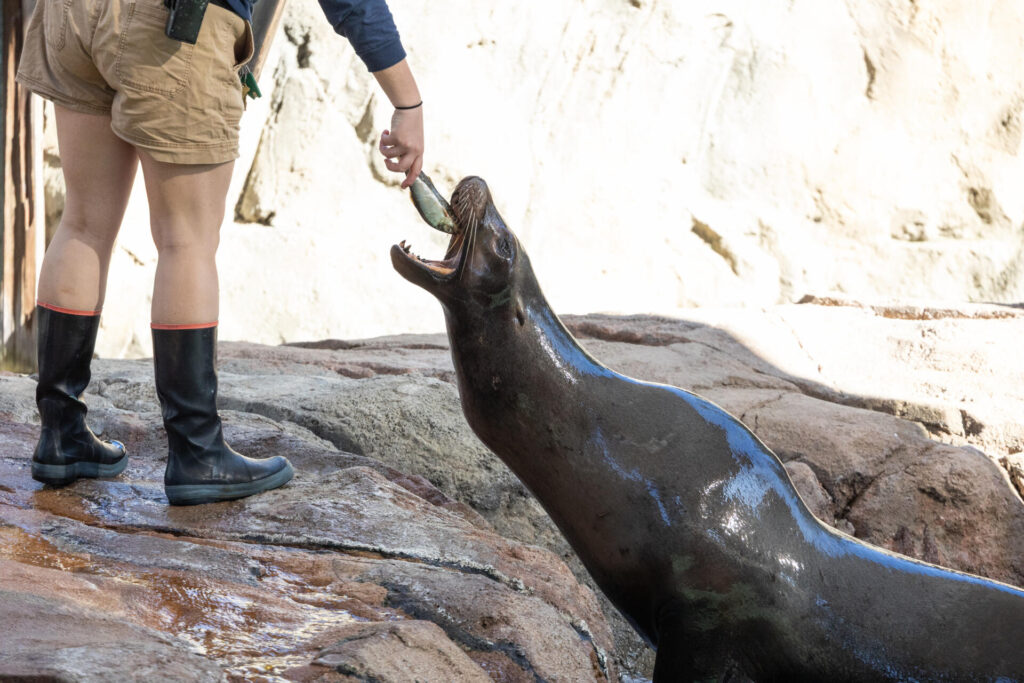
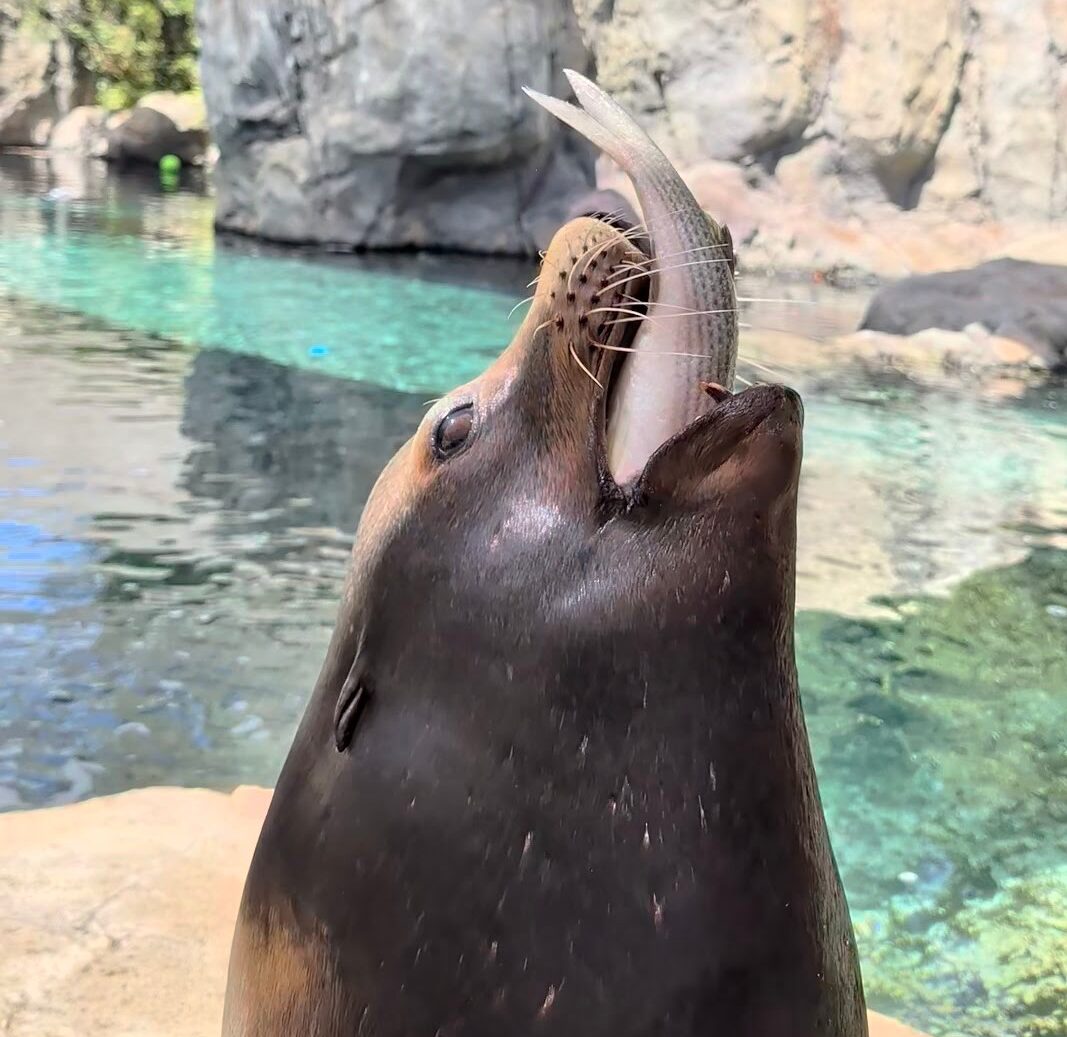
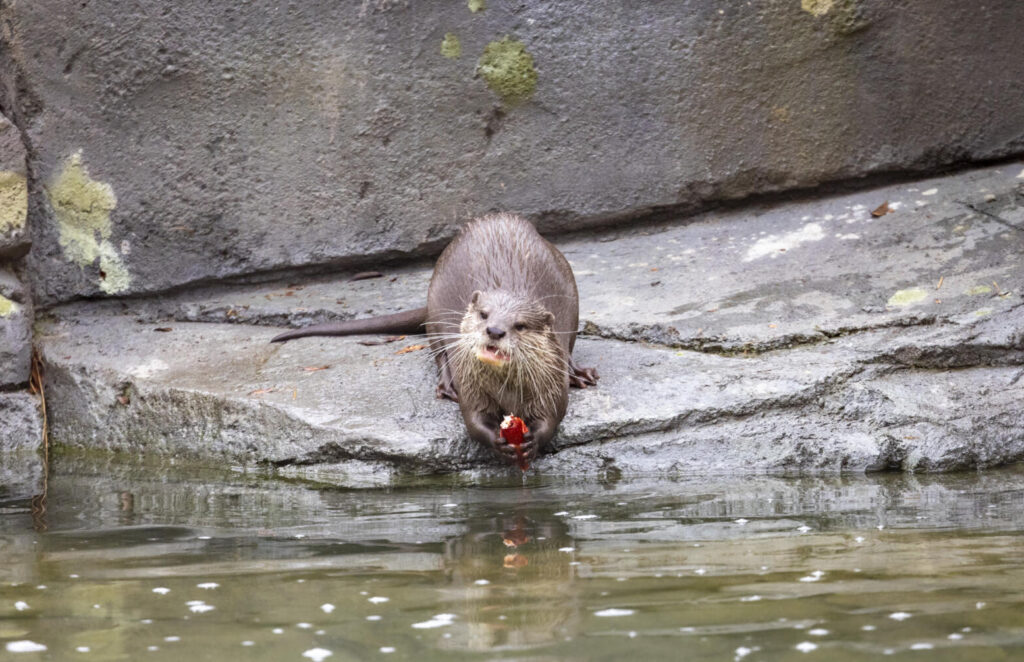
Here at the Zoo, purchasing sustainable seafood is not just an action we advocate for, it is one we practice regularly. Fresno Chaffee Zoo is home to California sea lions, harbor seals, Asian small-clawed otters, sharks, stingrays, and several birds and reptiles that consume diets mostly consisting of seafood. To provide the most well-rounded diet for these piscivores, there is a variety of species in their diets including capelin, herring, squid, smelt, shrimp, and crawfish. Literal tons of restaurant quality seafood are purchased by the Zoo each year to support the nutritional needs of these animals.
In alignment with Fresno Chaffee Zoo’s mission to save wildlife, the Zoo seeks vendors that have a sustainability initiative, are transparent about their fishing practices, and comply with all governing agencies. The Zoo’s fish vendor is a collaborative company that supports our Association of Zoos and Aquariums standards. They ensure using sustainable fishing methods, and they only fish the amount that their customers need each year without taking extra fish.
Everyone who purchases seafood has the choice to support sustainable fisheries. The Monterey Bay Aquarium Seafood Watch guides are excellent resources for seafood consumers to help select the most sustainable seafood options to buy. These guides list the best choices of seafood (“green-rated”) that are responsibly sourced with low environmental risk. If the best choice is not available, the guide also provides good alternatives (“yellow-rated”) that only have moderate environmental risk. The final category lists the species to avoid (“red-rated”). These seafoods are either harvested in a way that is damaging to the environment, or they are overfished and poorly managed. Multiple guides for various regions are available for download on the Monterey Bay Aquarium website.
Fresno Chaffee Zoo is one of many animal care institutions that supports sustainable seafood with our purchases. As more large-scale companies and individual consumers switch to purchasing sustainable options, the ocean can recover from years of overfishing and habitat damage due to historic practices. Maintaining a healthy, diverse ocean ecosystem with thriving animal populations is crucial for long term human survival. Everyone’s seafood purchases make a difference. Be sure to visit Fresno Chaffee Zoo to see our seafood-eating animals in action while learning more about what you can do to conserve their species in the wild.