
HEALTHY HEART ACTIVITIES AT THE ZOO
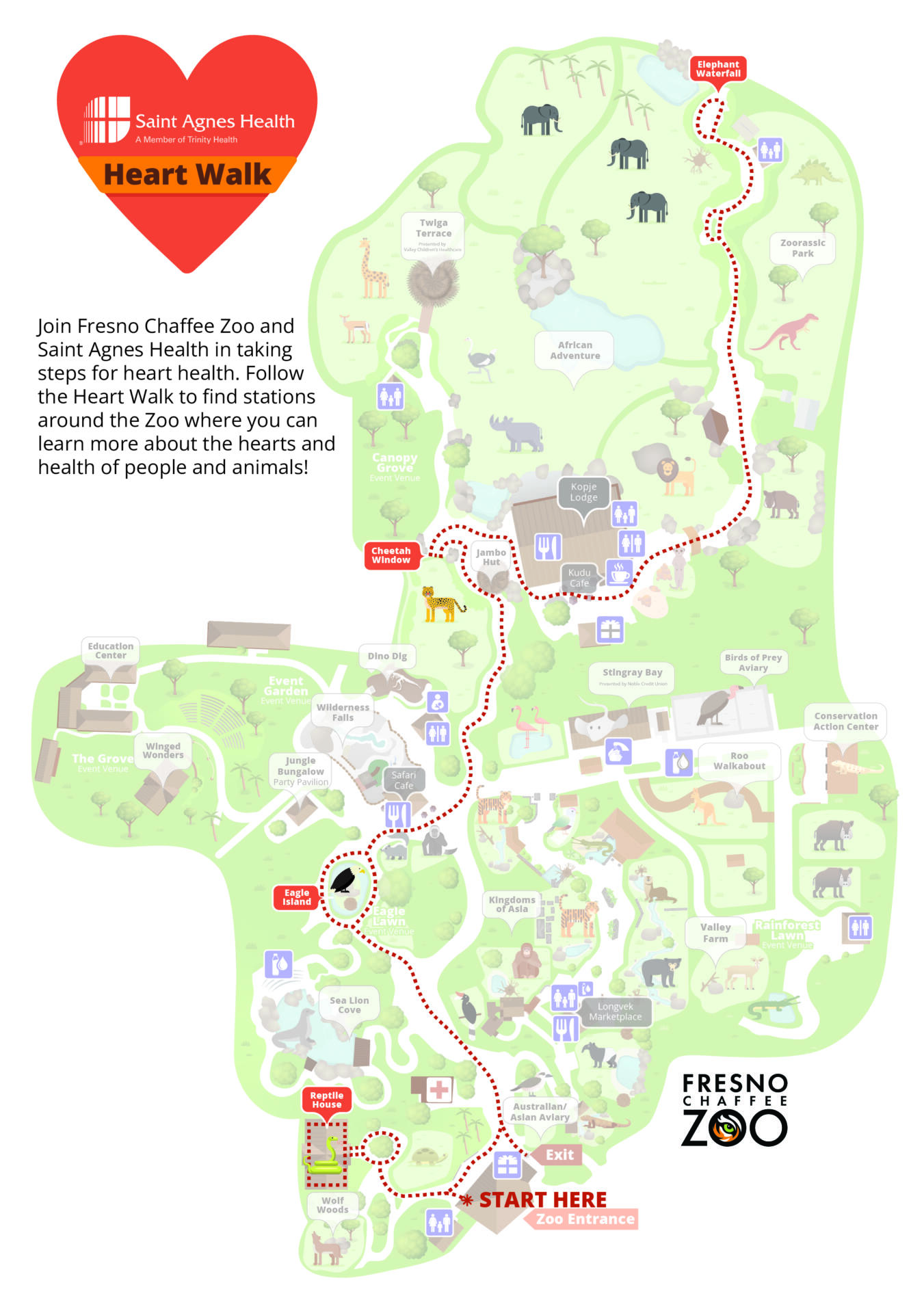
Join Fresno Chaffee Zoo and Saint Agnes Health in taking steps for heart health. Follow the Heart Walk to find stations around the Zoo where you can learn about the hearts and health of people and animals!
ZOO KEYS TO HEART HEALTH
GET MOVING
Regular physical activity can lower the risk of heart disease. Adults should aim for 30-60 minutes of activity daily while children and teens should aim for 60 minutes or more. A walk around the Zoo is a great way to get in some movement!
HEART-HEALTHY DIET
At the Zoo, our animal’s diets are specially prepared based on their health needs. A diet based on whole foods, fruits and vegetables, lean protein, and healthy fats can help protect the heart.
REST & RELAXATION
Stress and lack of sleep can lead to heart disease factors like high blood pressure. Adults need at least seven hours of sleep a night and children need even more. Take a tip from lions and tigers, who can sleep more than 16 hours a day, and make sure you’re getting enough rest.
DON’T FORGET YOUR CHECK-UP
The animals at the Zoo all have regular exams to keep track of their health and you should too! Regular screenings can help you and your healthcare team develop the best plan for your health.
TAKE THE HEART WALK DURING YOUR NEXT VISIT
HEALTHY HABITS ACROSS SPECIES
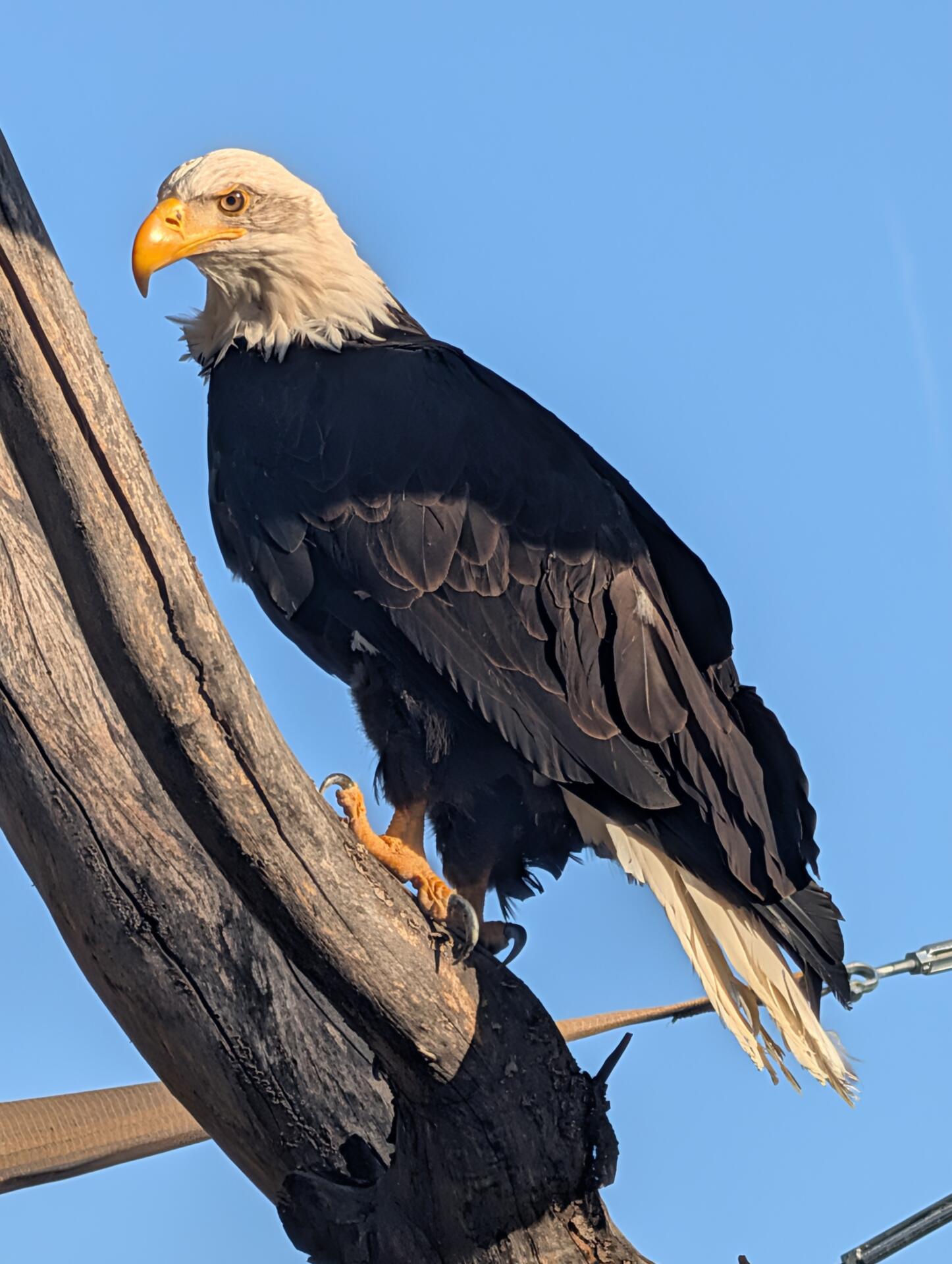
EAGLES FUEL UP ON PROTEIN
Eagles eat up to 1 pound of meat each day. When they eat a bigger meal, eagles can stay full for a few days.
Humans eat about 3-5 pounds of food each day, requiring a mix of proteins, fruits, vegetables and grains.
Our bodies may need different fuel, but eagles and humans both need to eat nutritious foods to keep our bodies healthy.
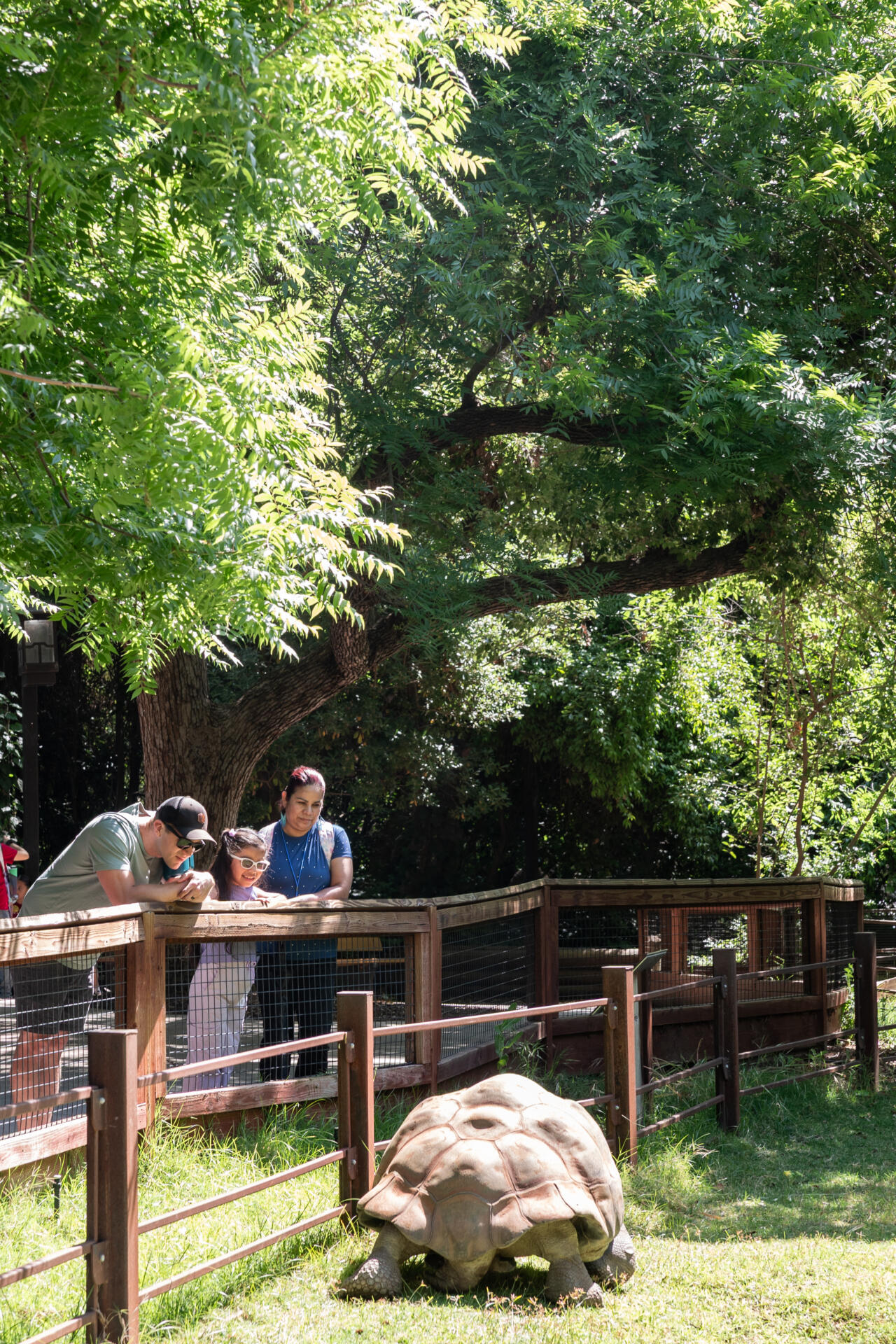
TURTLES DON’T LIKE WINTER
Turtles need the warmth of the sun to stay active. When temperatures drop, they slow down and can sleep for months at a time.
Adult humans sleep about 7-9 hours each night. In winter months, we may wear sweatshirts, but humans remain active throughout the year.
We may react differently to the weather, but turtles and humans both need regular sleep and stable body temperatures to stay healthy.
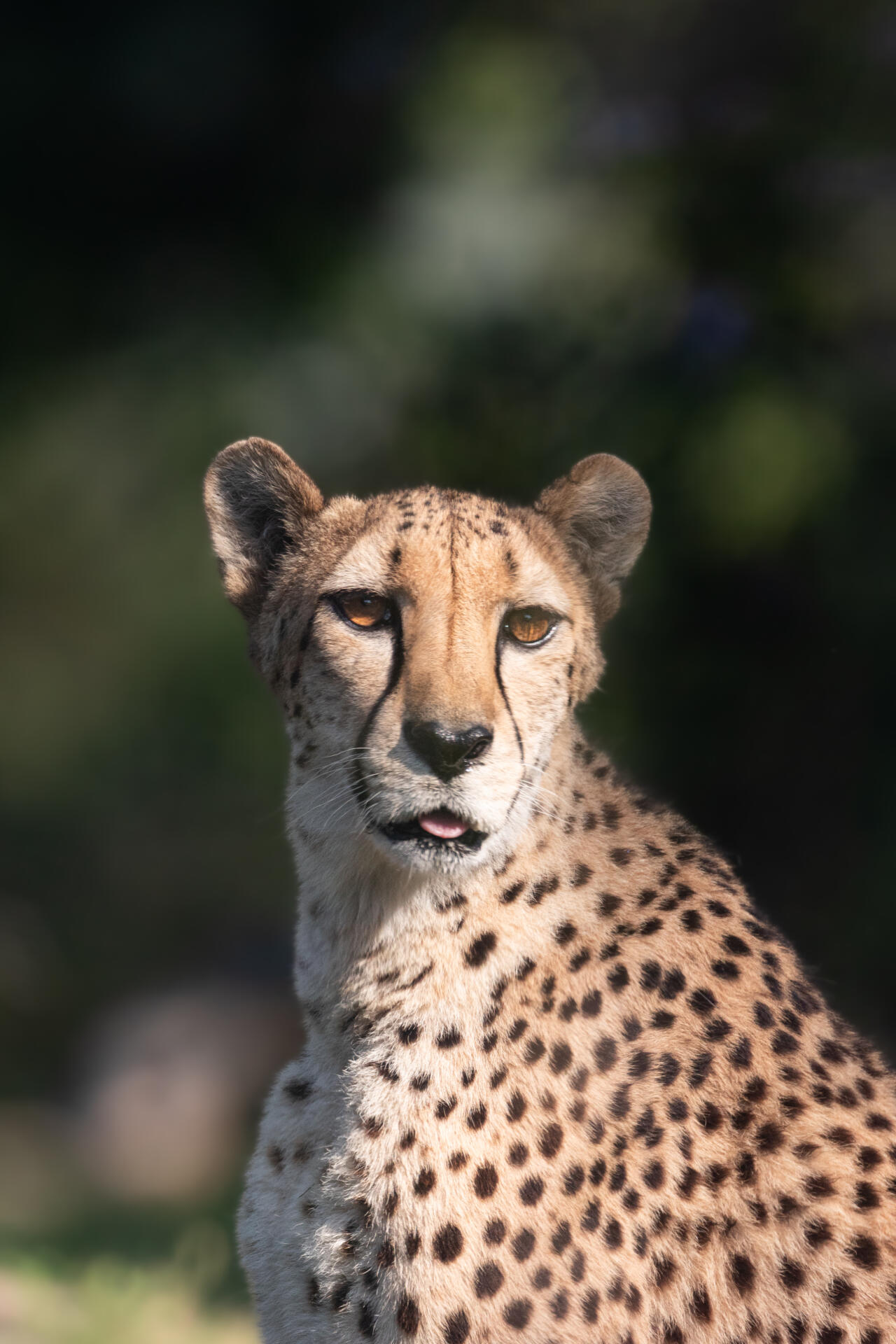
CHEETAHS ARE BUILT FOR SPEED
Cheetahs can run up to 75 miles per hour in short bursts of about 20-30 seconds before needing a rest.
Humans running at speeds between 5-10 miles per hour can run for several hours without stopping, covering dozens of miles.
We may run at different speeds and distances, but cheetahs and humans both need regular exercise to build strong hearts, lungs and muscles.
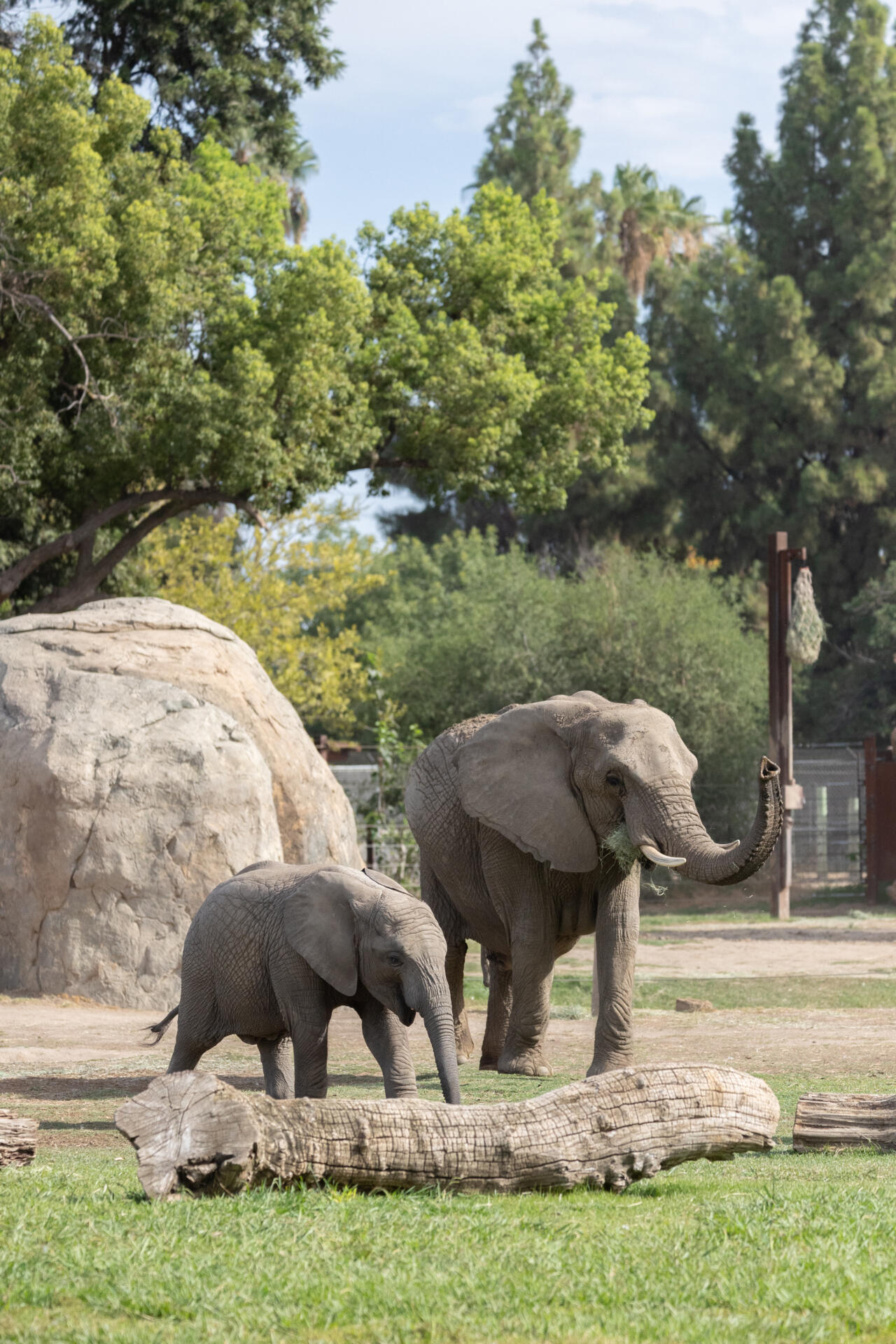
AFRICAN ELEPHANTS HAVE BIG HEARTS
As adults, elephant hearts can weigh up to 46 pounds, but they only beat about 30 times per minute at rest.
An adult human heart weighs less than one pound and beats between 60-100 times per minute at rest.
Our heartbeats may keep different times, but elephant and human hearts both perform the same function – delivering blood throughout the body to support brain activity, organ function and movement.